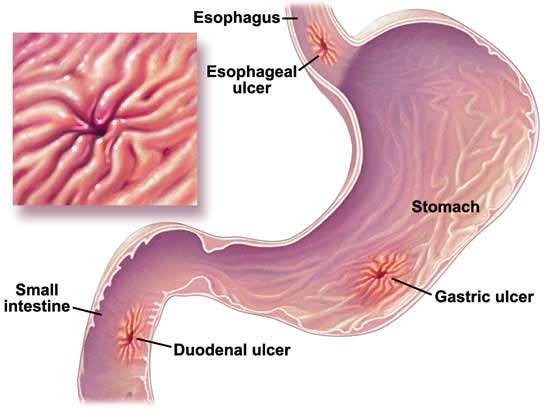
1. Gastric Ulcers
Overview
Gastric ulcers are open sores that develop on the stomach lining, often due to an imbalance between stomach acid and protective mucosal defenses. These can cause pain, bloating, and indigestion.
Conditions
- Pain: Burning stomach pain, especially when the stomach is empty.
- Indigestion and Heartburn: Frequent discomfort and acid reflux.
- Bleeding: In severe cases, ulcers can lead to bleeding, vomiting, or dark stools.
Benefits of Treatment
- Pain Relief: Eases the discomfort and burning sensation in the stomach.
- Prevention of Complications: Healing ulcers can prevent bleeding and perforation.
- Improved Digestion: Restores proper stomach function and reduces acid reflux.
2. Constipation
Overview
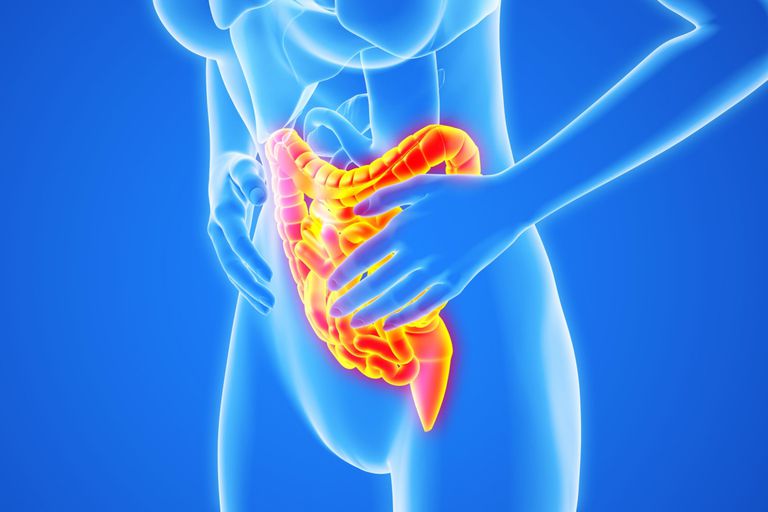
Constipation is a common digestive disorder where the bowel movements become infrequent, difficult, or painful. It’s typically caused by poor diet, low fiber intake, dehydration, or sluggish digestive muscles.
Conditions
- Infrequent Bowel Movements: Less than three bowel movements per week.
- Straining: Difficulty passing stool due to hardened or compacted stool.
- Discomfort: Abdominal bloating and cramps due to prolonged stool retention.
Benefits of Treatment
- Improved Digestion: Restores regularity and comfort in bowel movements.
- Prevention of Complications: Reduces risk of hemorrhoids, anal fissures, or fecal impaction.
- Enhanced Well-being: Relieves bloating, discomfort, and improves overall gut health.
3. Hyperacidity / GERD (Gastroesophageal Reflux Disease)
Overview
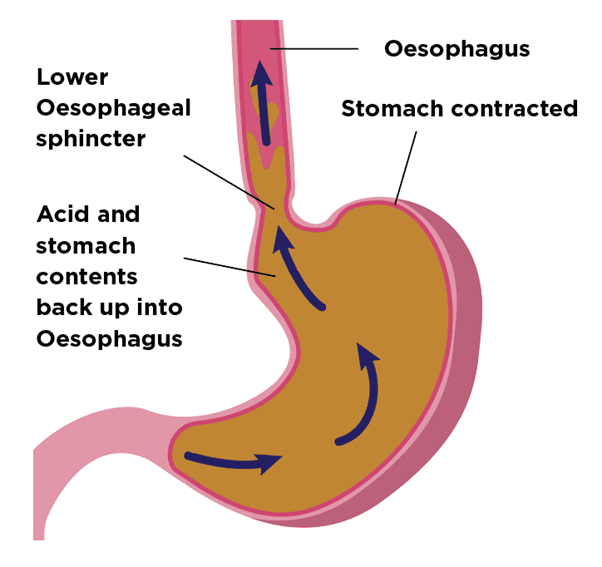
GERD occurs when stomach acid frequently flows back into the esophagus, causing irritation. Hyperacidity is a related condition marked by an overproduction of stomach acid.
Conditions
- Heartburn: A burning sensation in the chest or throat.
- Regurgitation: Acidic fluid or food moving up the throat.
- Difficulty Swallowing: A feeling of food being stuck in the chest or throat.
Benefits of Treatment
- Alleviates Heartburn: Reduces or eliminates the discomfort associated with acid reflux.
- Prevents Esophageal Damage: Long-term treatment can prevent damage to the esophagus, reducing cancer risk.
- Improves Quality of Life: Reduces frequent coughing, swallowing difficulty, and sore throats.
4. IBS / Crohn’s Disease / Ulcerative Colitis
Overview
These chronic inflammatory bowel diseases (IBD) cause inflammation in the intestines, leading to symptoms like diarrhea, pain, and bloating. While IBS is functional, Crohn’s and Ulcerative Colitis are structural inflammatory disorders.
Conditions
- Chronic Diarrhea: Frequent, loose stools with urgency.
- Abdominal Pain and Cramping: Inflammation causes discomfort in the digestive tract.
- Weight Loss and Fatigue: Due to nutrient malabsorption and persistent symptoms.
Benefits of Treatment
- Symptom Control: Helps reduce flare-ups, pain, and diarrhea.
- Improved Nutrition: Restores healthy digestion and absorption of nutrients.
- Reduced Inflammation: Prevents long-term damage to the intestines, improving overall gut function.
5. Liver and Gallbladder Disorders
Overview
Disorders of the liver and gallbladder, like fatty liver disease, hepatitis, and gallstones, can interfere with digestion, cause jaundice, or lead to pain in the upper abdomen.
Conditions
- Fatty Liver: Accumulation of fat in liver cells, often linked to alcohol or poor diet.
- Gallstones: Hard deposits in the gallbladder that can block bile flow, causing pain.
- Jaundice: Yellowing of the skin and eyes due to liver dysfunction.
Benefits of Treatment
- Pain Reduction: Alleviates abdominal pain caused by gallstones or liver inflammation.
- Improved Liver Function: Prevents liver damage, restoring its ability to filter toxins.
- Better Digestion: Ensures proper bile flow for digestion and nutrient absorption.
6. Kidney Stones
Overview
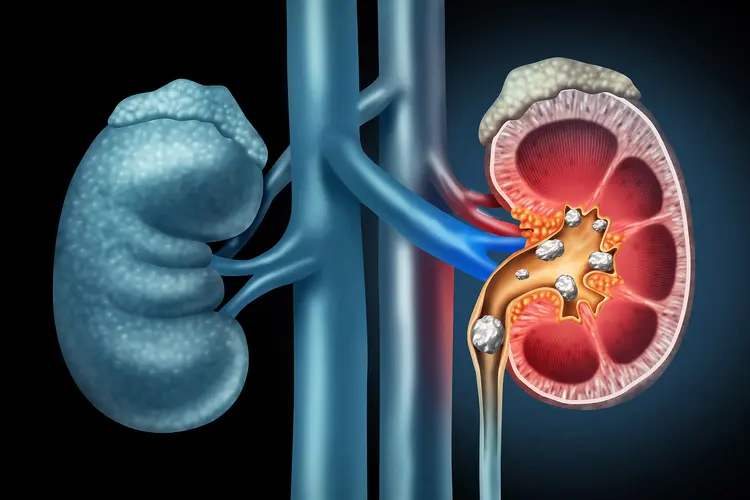
Kidney stones are hard mineral deposits that form in the kidneys, often causing severe pain as they pass through the urinary tract. They can vary in size and may obstruct urine flow.
Conditions
- Severe Pain: Intense pain in the lower back, sides, or groin.
- Hematuria (Blood in Urine): Due to the injury caused by the stone moving.
- Urinary Issues: Difficulty urinating or changes in urine color due to blockages.
Benefits of Treatment
- Pain Relief: Treating kidney stones can significantly alleviate pain.
- Prevention of Recurrence: Proper hydration and dietary changes help prevent future stones.
- Improved Urinary Health: Ensures the urinary tract functions without obstruction.