1. Thyroid Disorders
Overview
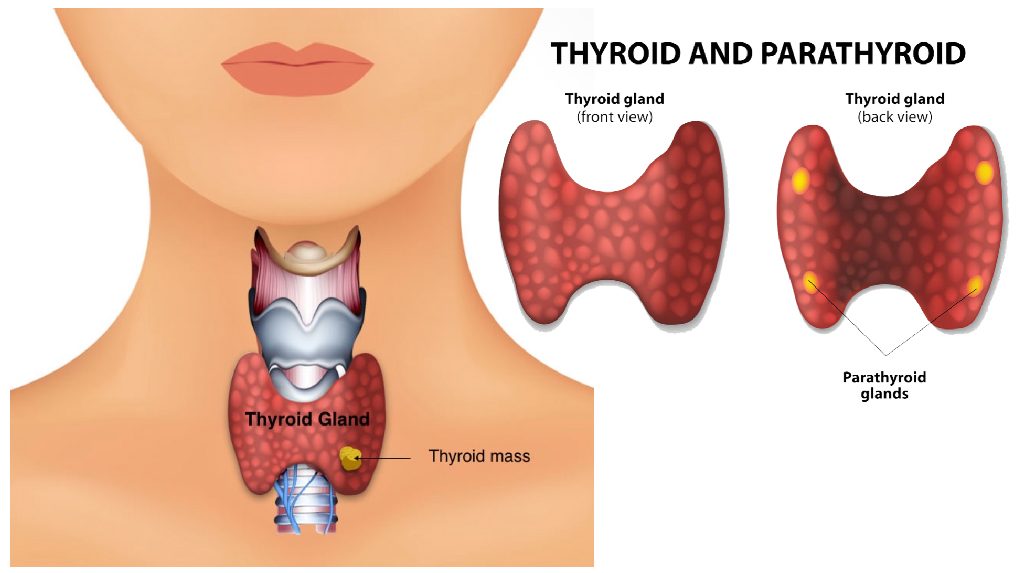
Thyroid disorders occur when the thyroid gland, located in the neck, produces too much or too little thyroid hormone. Hyperthyroidism (overactive thyroid) speeds up metabolism, while hypothyroidism (underactive thyroid) slows it down. Both conditions can cause a wide range of symptoms and complications if not managed.
Conditions
- Hyperthyroidism: Weight loss, rapid heartbeat, heat intolerance, and anxiety.
- Hypothyroidism: Fatigue, weight gain, cold intolerance, and depression.
- Goiter: Swelling of the thyroid gland due to hormonal imbalances.
Benefits of Treatment
- Balanced Hormone Levels: Restores thyroid hormone levels to a normal range, improving metabolism.
- Symptom Relief: Eases symptoms such as fatigue, weight changes, and mood swings.
- Prevention of Complications: Reduces the risk of long-term complications like heart disease, osteoporosis, and infertility.
2. Diabetes
Overview
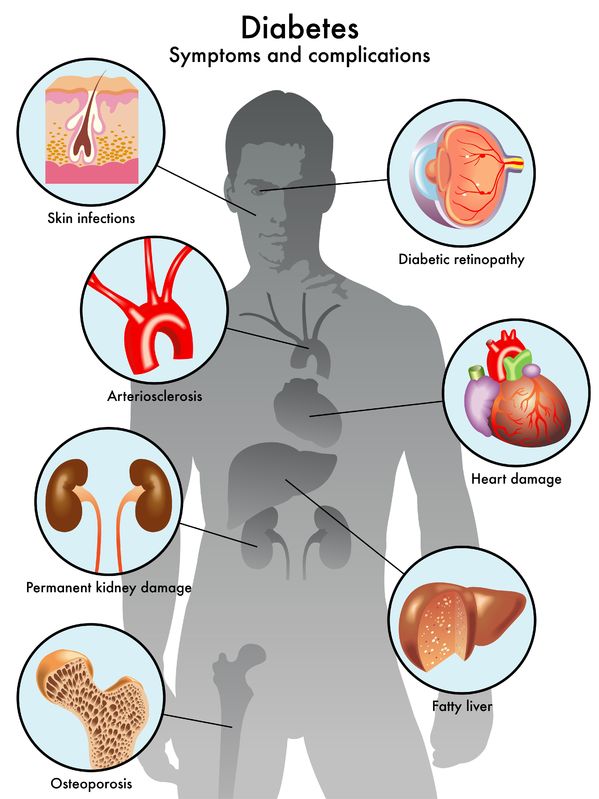
Diabetes is a chronic condition that affects the body’s ability to produce or use insulin, leading to high blood sugar levels. Type 1 diabetes is an autoimmune condition where the body cannot produce insulin, while Type 2 diabetes is characterized by insulin resistance.
Conditions
- High Blood Sugar (Hyperglycemia): Symptoms include frequent urination, excessive thirst, and fatigue.
- Low Blood Sugar (Hypoglycemia): Dizziness, confusion, sweating, and shaking due to low blood sugar.
- Complications: If left untreated, diabetes can lead to complications like neuropathy, kidney damage, and heart disease.
Benefits of Treatment
- Blood Sugar Control: Regulates blood glucose levels, preventing spikes and drops.
- Prevention of Long-Term Complications: Reduces the risk of kidney disease, nerve damage, and cardiovascular issues.
- Improved Quality of Life: Minimizes symptoms like fatigue and irritability, allowing for more energy and focus.
3. Cholesterol
Overview
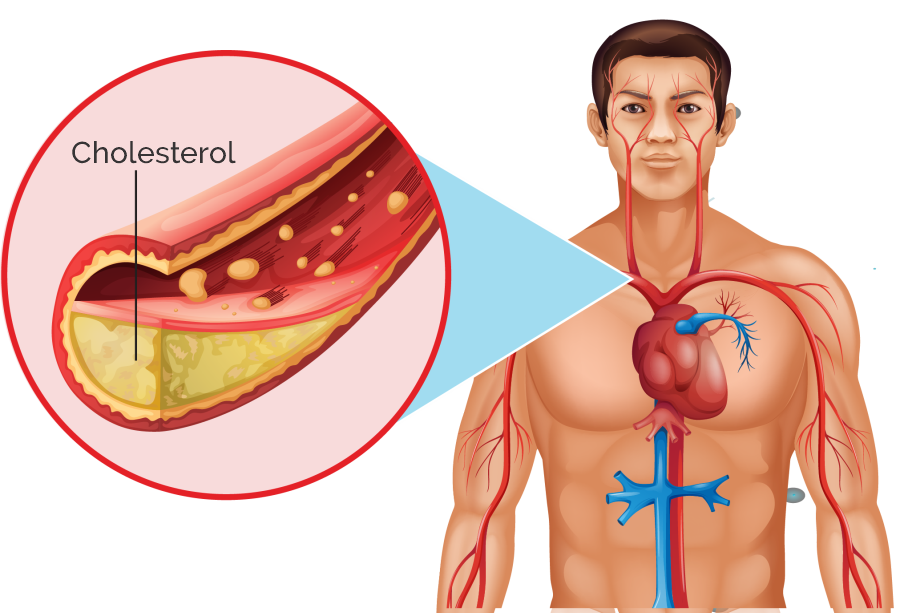
Cholesterol is a fatty substance found in your blood. Low-density lipoprotein (LDL), or "bad" cholesterol, can build up in the arteries, leading to atherosclerosis (narrowing of the arteries). High-density lipoprotein (HDL), or "good" cholesterol, helps remove excess cholesterol from the bloodstream. Unhealthy cholesterol levels increase the risk of heart disease.
Conditions
- High LDL (Bad Cholesterol): Blockages in arteries can lead to heart attacks, strokes, or peripheral artery disease.
- Low HDL (Good Cholesterol): Reduced ability to clear cholesterol from the bloodstream, contributing to plaque buildup.
- Triglycerides: Elevated triglyceride levels can also increase the risk of heart disease and metabolic syndrome.
Benefits of Treatment
- Improved Heart Health: Reduces the risk of heart disease, heart attacks, and strokes by lowering LDL and increasing HDL.
- Lower Blood Pressure: Balanced cholesterol levels can also help in controlling blood pressure.
- Increased Lifespan: Reduces overall risk of cardiovascular disease, leading to a longer, healthier life.
4. Hypertension (High Blood Pressure)
Overview
Hypertension, or high blood pressure, occurs when the force of blood against the walls of the arteries is too high, increasing the risk of heart disease, stroke, and kidney failure. It often has no symptoms, so regular monitoring is crucial.
Conditions
- Increased Risk of Heart Disease: The strain on the heart and arteries can lead to heart failure, coronary artery disease, and heart attacks.
- Stroke Risk: Damaged blood vessels from prolonged high blood pressure can cause stroke.
- Kidney Damage: Uncontrolled hypertension can lead to kidney failure over time.
Benefits of Treatment
- Blood Pressure Regulation: Helps lower and maintain a healthy blood pressure level.
- Reduced Risk of Cardiovascular Events: Significantly lowers the likelihood of heart disease, stroke, and kidney damage.
- Improved Overall Health: Regular monitoring and management of blood pressure contribute to better quality of life and longevity.
5. Stress, Anxiety, Insomnia
Overview
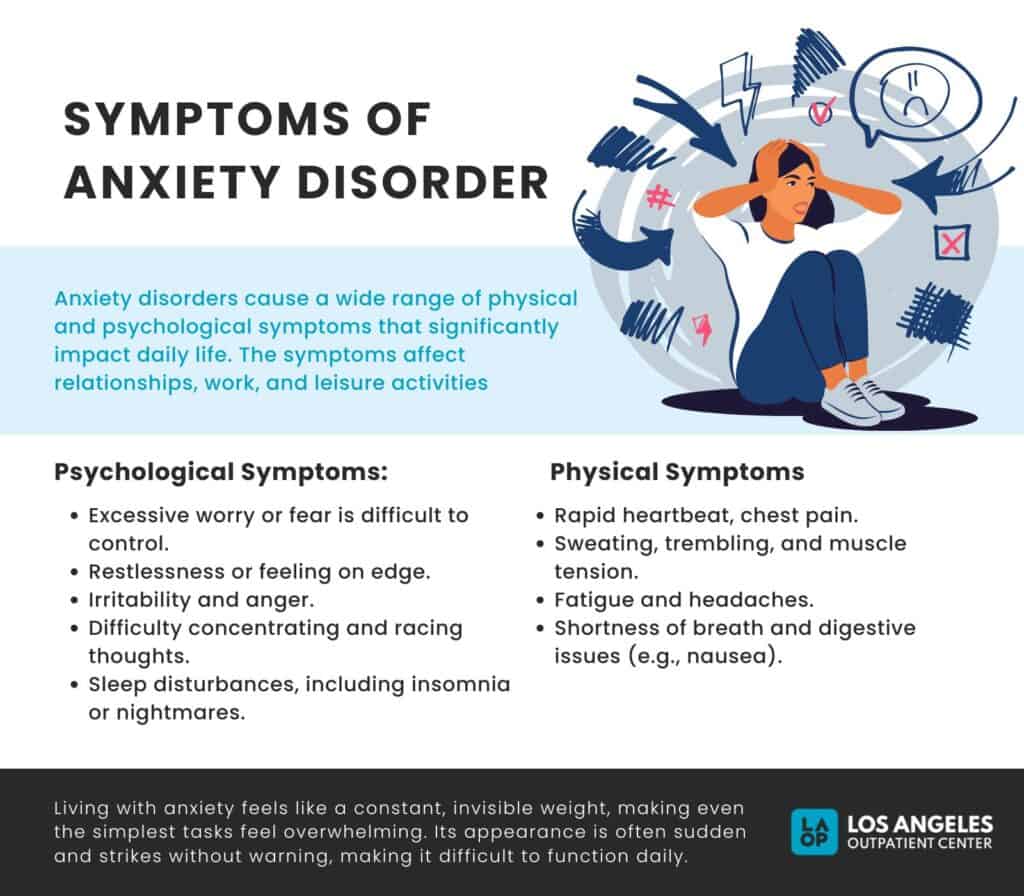
Stress, anxiety, and insomnia often occur together and can significantly impact mental and physical health. Chronic stress and anxiety can lead to sleep disturbances (insomnia), affecting daily functioning, mood, and overall well-being.
Conditions
- Chronic Stress: Constant worry, tension, and an overload of work or personal life issues that affect mental and physical health.
- Anxiety Disorders: Persistent feelings of worry or fear, often irrational, that interfere with daily life.
- Insomnia: Difficulty falling asleep or staying asleep, leading to tiredness and reduced productivity.
Benefits of Treatment
- Reduced Anxiety: Therapy and medications can help control anxiety and stress responses.
- Improved Sleep: Treatment for insomnia can restore healthy sleep patterns, boosting energy and mood.
- Better Mental Health: Stress management and anxiety reduction improve overall well-being and cognitive function.
6. Migraine and Vertigo
Overview
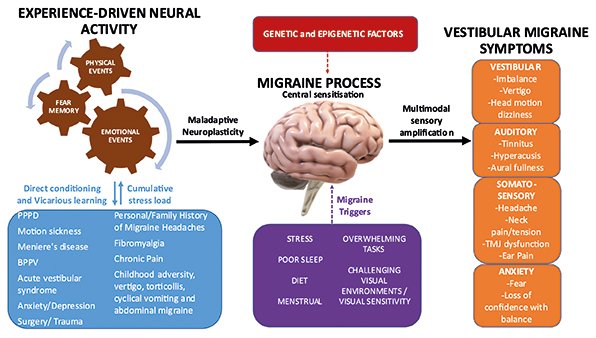
Migraines are intense, often debilitating headaches that can be accompanied by nausea, sensitivity to light, and visual disturbances. Vertigo is a feeling of dizziness or spinning, often caused by issues in the inner ear or brain, leading to balance problems.
Conditions
- Migraine: Severe, throbbing headaches often associated with nausea, vomiting, and light or sound sensitivity.
- Vertigo: A sensation of spinning or dizziness, often caused by an inner ear issue like benign paroxysmal positional vertigo (BPPV) or vestibular disorders.
- Aura: Many people experience visual or sensory disturbances before a migraine, called an aura.
Benefits of Treatment
- Migraine Relief: Reduces the frequency and intensity of migraines, helping to manage triggers.
- Dizziness Control: Vertigo treatment helps manage dizziness and improve balance.
- Improved Quality of Life: Effective management can reduce the impact of these conditions on daily activities.