1. Osteoarthritis
Overview
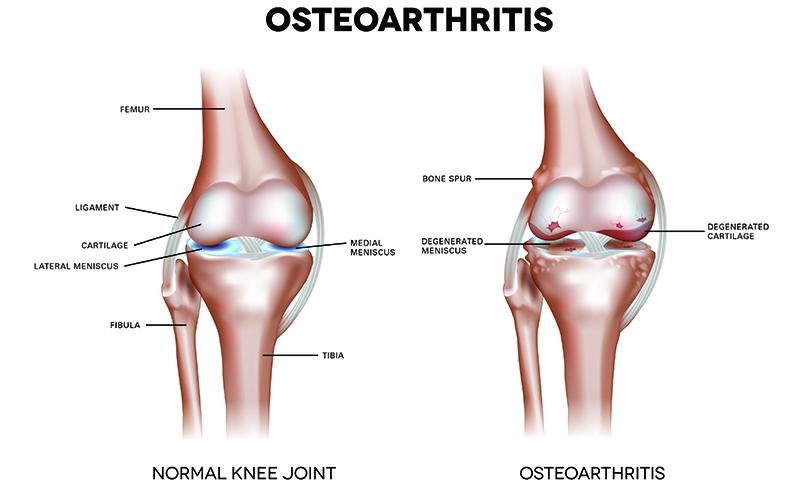
Osteoarthritis (OA) is a degenerative joint disease where the cartilage that cushions the joints wears away over time, leading to pain, stiffness, and decreased mobility. It is most common in older adults and typically affects weight-bearing joints like the knees, hips, and spine.
Conditions
- Joint Pain and Stiffness: Persistent pain that worsens with activity and improves with rest.
- Swelling: Fluid buildup in the affected joint can cause swelling.
- Limited Mobility: Decreased range of motion in the affected joint, making daily activities harder.
Benefits of Treatment
- Pain Relief: Reduces joint pain and inflammation, improving comfort.
- Improved Mobility: Restores joint function and range of motion for better movement.
- Slowed Progression: Proper management can slow the progression of cartilage breakdown.
2. Rheumatoid Arthritis
Overview
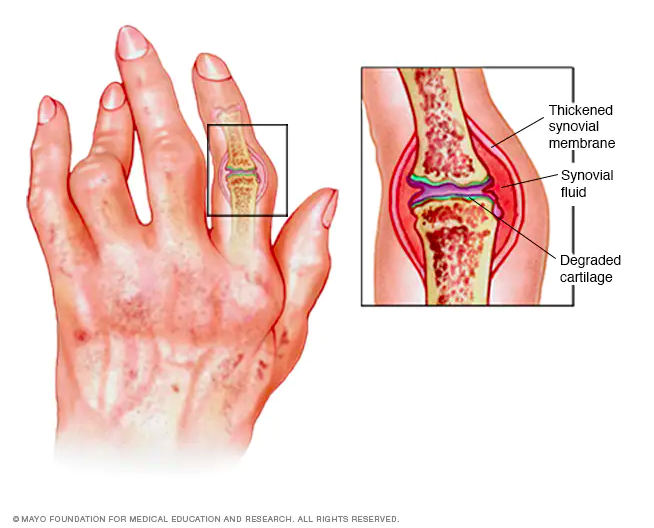
Rheumatoid arthritis (RA) is an autoimmune disorder where the body's immune system attacks the synovium (the lining of the joints), causing inflammation, pain, and eventually joint damage. It commonly affects the small joints of the hands and feet.
Conditions
- Joint Swelling: Swelling, redness, and warmth around the joints.
- Morning Stiffness: Prolonged stiffness in the joints, especially after waking up.
- Fatigue: Chronic fatigue is common as a result of inflammation.
Benefits of Treatment
- Inflammation Reduction: Decreases inflammation, leading to less pain and swelling.
- Prevention of Joint Damage: Slows the progression of joint deformity and damage.
- Enhanced Quality of Life: Improves function, allowing patients to perform daily activities with less difficulty.
3. Gout
Overview
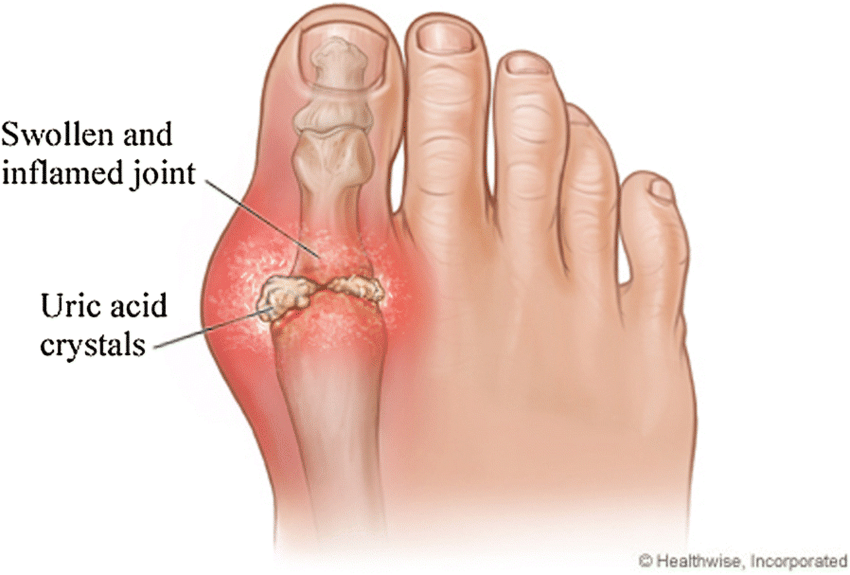
Gout is a type of arthritis caused by a buildup of uric acid crystals in the joints, often leading to sudden and severe pain, redness, and swelling. It commonly affects the big toe but can affect other joints as well.
Conditions
- Intense Pain: Sudden, severe pain, often starting at night.
- Swelling and Redness: The affected joint becomes inflamed, hot, and red.
- Recurring Attacks: Gout often comes in flare-ups, with periods of remission in between.
Benefits of Treatment
- Pain Relief: Reduces the intensity and duration of gout attacks.
- Prevention of Future Attacks: Helps control uric acid levels to prevent flare-ups.
- Joint Protection: Minimizes long-term damage to the joints from repeated gout attacks.
4. Knee Joint Pain
Overview
Knee joint pain is a common issue, often caused by osteoarthritis, ligament injuries, or patellar tendinitis. It can range from mild discomfort to severe pain that limits movement.
Conditions
- Pain During Activity: Pain when walking, climbing stairs, or bending the knee.
- Swelling and Stiffness: The knee joint becomes swollen and feels stiff, particularly after periods of inactivity.
- Instability: The knee may feel weak or unstable during movement.
Benefits of Treatment
- Pain Management: Reduces pain, allowing for better movement and activity.
- Restored Function: Helps restore full functionality and reduces stiffness.
- Prevention of Further Injury: Prevents the condition from worsening, which could lead to surgery.
5. Osteoporosis
Overview
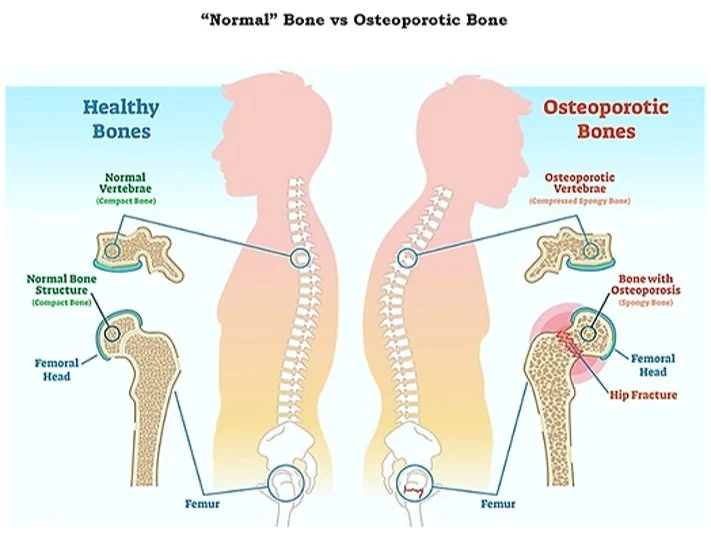
Osteoporosis is a condition where bones become weak and brittle, increasing the risk of fractures. It often occurs with aging or as a result of hormonal changes, particularly in postmenopausal women.
Conditions
- Fractures: Increased risk of fractures from minor falls or injuries.
- Loss of Height: Gradual shrinking in height due to spinal compression fractures.
- Bone Pain: Aches or pains in the bones, particularly in the back.
Benefits of Treatment
- Bone Strengthening: Improves bone density and reduces the risk of fractures.
- Pain Reduction: Helps manage bone pain and discomfort.
- Prevention of Future Fractures: Decreases the likelihood of future bone breaks or fractures.
6. Fracture
Overview
A fracture is a break or crack in a bone, typically caused by trauma or injury. The severity can vary from a hairline crack to a complete break, often leading to pain, swelling, and limited mobility.
Conditions
- Pain and Tenderness: Intense pain at the site of the fracture, especially during movement.
- Swelling and Bruising: Swelling and bruising around the affected bone.
- Deformity: In severe fractures, there may be visible misalignment of the bone.
Benefits of Treatment
- Bone Healing: Proper treatment helps bones heal correctly and reduces complications.
- Pain Management: Controls pain, allowing for better mobility during the recovery phase.
- Prevention of Long-Term Damage: Proper alignment and care help prevent permanent deformity or joint issues.