1. Haemorrhoids (Piles)
Overview
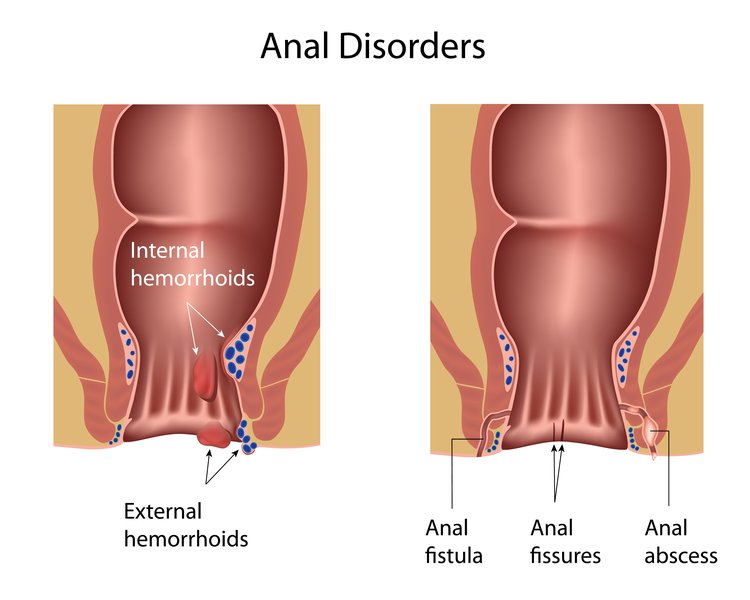
Haemorrhoids are swollen blood vessels in the rectum or anus that can cause pain, itching, and discomfort during bowel movements. They are common, especially in individuals with constipation or those who strain during bowel movements.
Conditions
- Pain and Discomfort: Pain during bowel movements, especially with external piles.
- Bleeding: Bright red blood on the toilet paper or in the stool.
- Itching or Irritation: Common symptom in both internal and external haemorrhoids.
Benefits of Treatment
- Pain Relief: Reduces swelling and discomfort, making bowel movements less painful.
- Prevention of Prolapse: Prevents haemorrhoids from protruding out of the anus and becoming more severe.
- Improved Comfort: Alleviates itching and irritation, improving quality of life.
2. Fissure in Ano
Overview
An anal fissure is a small tear in the skin around the anus, often caused by passing large or hard stools. It can be extremely painful, especially during or after bowel movements.
Conditions
- Severe Pain: Sharp, intense pain during and after bowel movements.
- Bleeding: Small amount of blood on the toilet paper or in the stool.
- Itching or Irritation: Often occurs around the anal area due to inflammation.
Benefits of Treatment
- Pain Relief: Eases the burning or sharp pain that occurs during and after bowel movements.
- Faster Healing: Reduces inflammation and allows the tear to heal faster.
- Prevention of Recurrence: Helps prevent chronic fissures or prolonged pain.
3. Fistula
Overview
An anal fistula is an abnormal tunnel that forms between the anal canal and the skin around the anus, often resulting from an infection or abscess. It can cause pain, drainage, and discomfort.
Conditions
- Pain and Swelling: Pain around the anal area due to the fistula's infection.
- Discharge or Drainage: Pus or blood can drain from the fistula opening.
- Recurrent Abscesses: Fistulas may lead to repeated infections or abscess formation.
Benefits of Treatment
- Prevention of Infection: Treatment reduces the risk of recurrent infections or abscesses.
- Pain Relief: Reduces discomfort associated with the fistula.
- Restored Normal Function: Prevents long-term complications, allowing the anal region to heal properly.
4. Pilonidal Sinus
Overview
A pilonidal sinus is a small cavity or hole in the skin near the tailbone, often containing hair and debris. It can become infected, leading to pain and swelling.
Conditions
- Pain and Swelling: Painful abscesses or swelling near the tailbone.
- Drainage: Pus or blood may drain from the sinus, often with a foul smell.
- Recurring Infections: Chronic or repeated abscesses in the same area.
Benefits of Treatment
- Prevention of Recurrent Abscesses: Proper treatment helps to prevent repeated flare-ups and infections.
- Pain Relief: Alleviates the discomfort from swelling and infection.
- Improved Hygiene: Removes the source of infection and promotes healing of the area.
5. Abscess
Overview
An anal abscess is a painful collection of pus that forms near the anus, usually due to infection in the anal glands. It can cause severe pain, especially while sitting or moving.
Conditions
- Severe Pain: Intense pain around the anal region, especially when sitting.
- Swelling and Redness: The area around the abscess becomes swollen, red, and tender.
- Fever: In some cases, an abscess can lead to systemic infection, causing fever.
Benefits of Treatment
- Pain Relief: Draining or surgical intervention can relieve pressure and discomfort.
- Infection Control: Treatment helps prevent the infection from spreading to surrounding tissues.
- Prevention of Fistulas: Proper drainage and care prevent the formation of a fistula.
6. Anal Pain
Overview
Anal pain can arise from a variety of causes, including haemorrhoids, fissures, infections, or muscle spasms. The pain may be acute or chronic, and it can interfere with daily activities.
Conditions
- Sharp or Throbbing Pain: May occur during or after bowel movements.
- Discomfort During Sitting: Prolonged sitting may exacerbate the pain.
- Painful Bowel Movements: Difficulty passing stools due to associated conditions like haemorrhoids or fissures.
Benefits of Treatment
- Pain Reduction: Addresses the underlying cause of the pain and provides relief.
- Improved Comfort: Helps in returning to normal daily activities without discomfort.
- Prevention of Chronic Pain: Proper management prevents the development of chronic anal pain.
7. Anal Spasms
Overview
Anal spasms are sudden, involuntary contractions of the anal sphincter muscles, often caused by injury, infection, or irritation. They can lead to intense pain and difficulty passing stool.
Conditions
- Sharp Pain: Sudden, intense pain that may last for several minutes.
- Tightness or Pressure: A feeling of tightness or pressure in the anal region.
- Difficulty with Bowel Movements: Spasms may interfere with the normal passage of stool.
Benefits of Treatment
- Muscle Relaxation: Treatment can help relax the anal muscles and relieve spasms.
- Pain Relief: Reduces the sharp pain that occurs during spasms.
- Improved Bowel Movements: Facilitates normal bowel movements by reducing sphincter tightness.
8. Rectal Bleeding
Overview
Rectal bleeding refers to the passage of blood from the anus, which may indicate conditions such as haemorrhoids, anal fissures, or colorectal diseases. The blood may be bright red or dark, depending on the source of bleeding.
Conditions
- Visible Blood in Stool or on Toilet Paper: Bright red blood may be noticed in the stool or on toilet paper.
- Pain or Discomfort: Associated pain, especially with haemorrhoids or fissures.
- Chronic Bleeding: In severe cases, chronic bleeding can lead to anemia or other complications.
Benefits of Treatment
- Prevention of Severe Bleeding: Treatment addresses the underlying cause to stop the bleeding.
- Pain Relief: Eases the discomfort associated with the bleeding.
- Prevention of Complications: Reduces the risk of anemia or infection due to chronic bleeding.
9. Constipation (Ano-rectal context)
Overview
Constipation in the context of ano-rectal disorders refers to infrequent, difficult bowel movements that may lead to straining and the development of conditions like haemorrhoids or fissures.
Conditions
- Hard, Dry Stools: Difficulty in passing hard stools that are dry and compacted.
- Straining: Excessive straining during bowel movements.
- Pain and Discomfort: The act of passing stool can cause anal pain or bleeding.
Benefits of Treatment
- Regular Bowel Movements: Helps establish regular and easy bowel movements.
- Prevention of Anal Conditions: Reduces the risk of haemorrhoids, fissures, and other anal problems.
- Improved Digestive Health: Relieves bloating and discomfort, improving overall gut health.
10. Anal Stenosis
Overview
Anal stenosis is a condition where the anal canal becomes abnormally narrow, often due to scarring from injury, surgery, or chronic inflammation. It can make bowel movements difficult and painful.
Conditions
- Difficulty Passing Stool: Narrowing of the anal canal makes bowel movements more difficult.
- Pain or Discomfort: Due to the straining and pressure during bowel movements.
- Bleeding: May occur if stool passes through the narrow anal canal with difficulty.
Benefits of Treatment
- Improved Bowel Movements: Restores normal passage of stool.
- Pain Relief: Reduces the discomfort caused by the narrowing of the anal canal.
- Prevention of Further Complications: Reduces the risk of further injury to the anal canal or surrounding tissues.