1. Ryle’s Tube Insertion
Overview
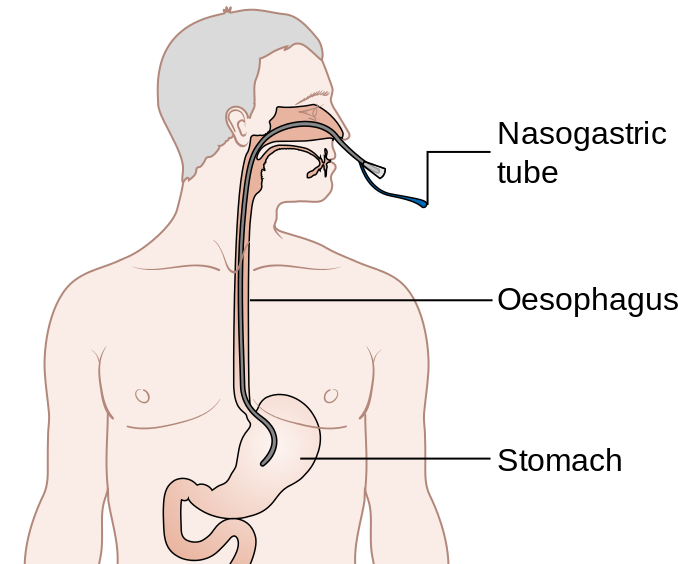
Ryle’s tube insertion involves placing a nasogastric tube into the stomach for feeding or drainage
purposes, particularly in patients who cannot eat orally or need gastric content drainage.
Conditions
- Inability to swallow (Dysphagia)
- Gastrointestinal obstruction
- Post-operative recovery for patients unable to ingest food orally
Benefits of Treatment
- Provides necessary nutrition to patients unable to eat by mouth.
- Helps in draining gastric content and preventing aspiration.
- Facilitates recovery in post-surgical patients.
2. Foley’s Catheter Insertion
Overview
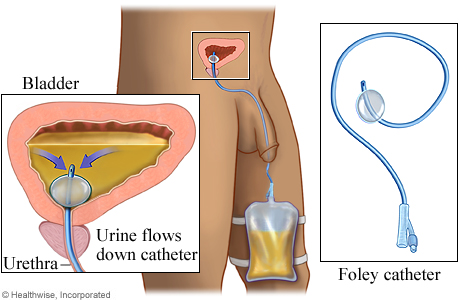
Foley’s catheter insertion involves the placement of a flexible tube into the bladder to drain urine,
commonly used in patients who are unable to urinate or need continuous monitoring.
Conditions
- Urinary retention
- Post-surgical monitoring
- Incontinence management
Benefits of Treatment
- Ensures accurate monitoring of urinary output in critically ill patients.
- Relieves urinary retention and promotes comfort in patients with urinary blockages.
- Prevents urinary incontinence during surgeries or prolonged immobilization.
3. Burn Management
Overview
Burn management involves treatment and care for individuals with burns, ranging from minor to severe,
including wound care, infection prevention, and pain management.
Conditions
- First-degree burns (superficial burns)
- Second-degree burns (partial-thickness burns)
- Third-degree burns (full-thickness burns)
Benefits of Treatment
- Prevents infection and promotes wound healing.
- Relieves pain and reduces swelling.
- Restores skin function and minimizes scarring.
4. IV Cannula Insertion
Overview
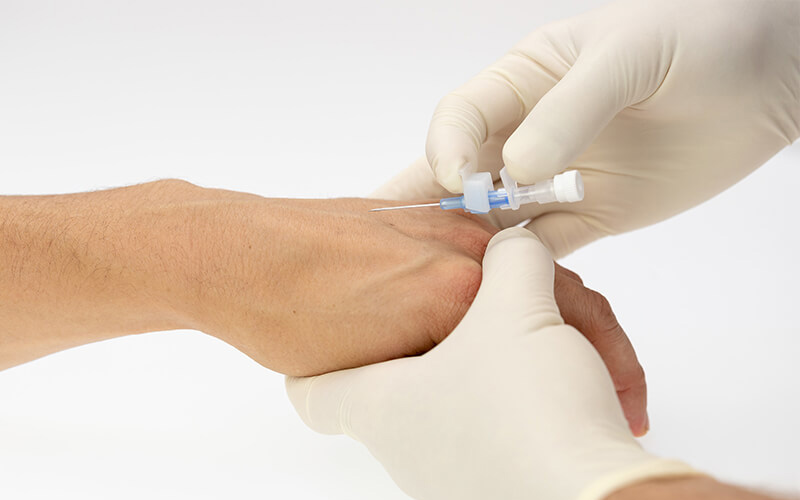
IV cannula insertion involves placing a needle and catheter into a vein to deliver fluids, medications,
or nutrients directly into the bloodstream.
Conditions
- Dehydration or fluid imbalance
- Administration of intravenous medications
- Pre-operative preparation or critical care support
Benefits of Treatment
- Facilitates quick and efficient delivery of fluids and medications.
- Enables long-term medication administration in hospitalized patients.
- Allows accurate monitoring of fluid levels in critical care settings.
5. Suturing
Overview
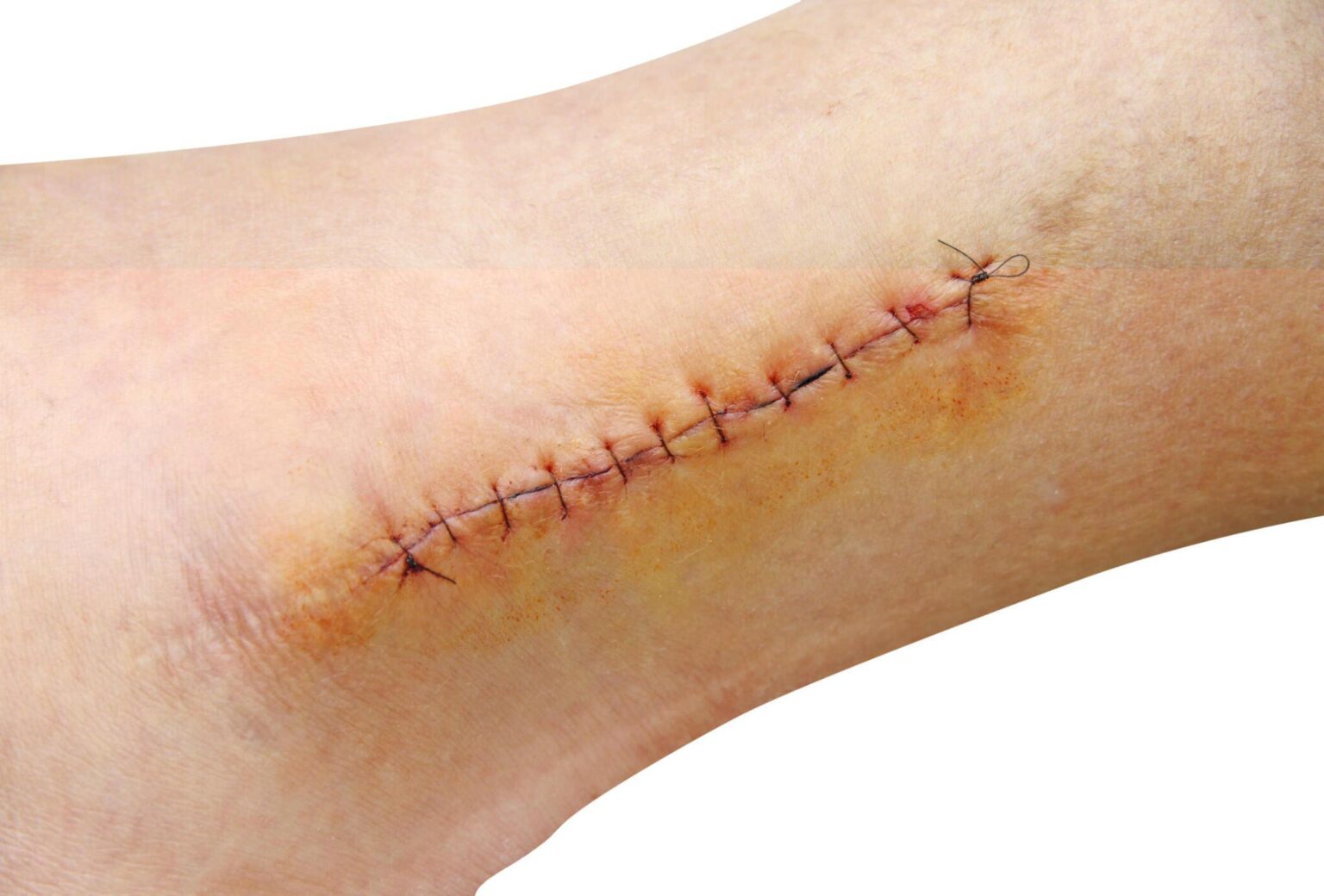
Suturing is the process of stitching a wound or incision to close it, helping promote healing and reduce
the risk of infection.
Conditions
- Traumatic injuries with lacerations or cuts
- Incision wounds after surgery
- Skin wounds requiring closure for cosmetic or functional purposes
Benefits of Treatment
- Promotes optimal wound healing by bringing the edges together.
- Reduces the risk of infection and minimizes scarring.
- Enhances the function and appearance of the skin after injury or surgery.
6. ECG (Electrocardiogram)
Overview
An ECG is a test that measures the electrical activity of the heart to identify arrhythmias, heart
disease, or other abnormalities in heart function.
Conditions
- Heart attacks
- Arrhythmias (irregular heartbeats)
- Cardiac ischemia or heart failure
Benefits of Treatment
- Helps diagnose and monitor heart conditions.
- Guides the treatment for arrhythmias or other heart-related issues.
- Prevents severe outcomes by identifying potential cardiac problems early.
7. POP Plaster Cast for Fracture
Overview
A plaster of Paris (POP) cast is applied to immobilize a broken bone, ensuring proper alignment during
the healing process.
Conditions
- Fractures of bones, particularly in the limbs
- Post-surgical immobilization
- Injuries requiring stabilization for proper healing
Benefits of Treatment
- Provides stability and immobilization for fractured bones.
- Promotes proper healing by maintaining correct alignment of the bone.
- Prevents movement that could disrupt the healing process.
8. Foreign Body Removal
Overview
Foreign body removal involves the extraction of materials or objects that have entered the body
accidentally, such as splinters, glass, or metal fragments.
Conditions
- Foreign objects embedded in the skin or mucosal membranes
- Penetrating wounds from sharp or non-sharp objects
- Objects lodged in the airway, eye, or ear
Benefits of Treatment
- Relieves pain and discomfort caused by the foreign body.
- Prevents infection and further injury to surrounding tissues.
- Restores normal function to the affected area (e.g., vision, breathing, or movement).
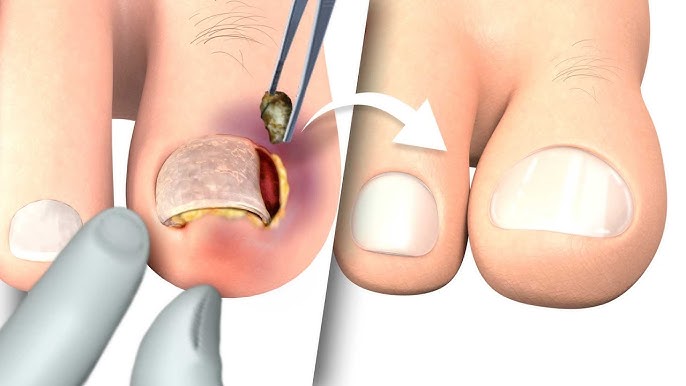
9. Nail Excision
Overview
Nail excision involves the surgical removal of a portion or the entire nail, typically performed when
there is severe nail damage, infection, or ingrown nails.
Conditions
- Ingrown nails
- Chronic nail infections
- Trauma or injury to the nail
Benefits of Treatment
- Relieves pain caused by ingrown nails or infections.
- Prevents recurrence of ingrown nails.
- Allows proper healing of the affected area.
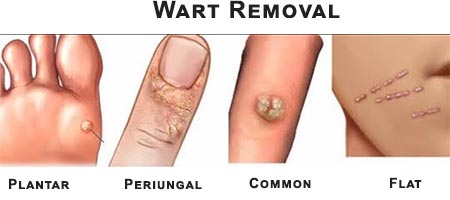
10. Wart Removal
Overview
Wart removal involves the excision or destruction of warts, typically caused by the human papillomavirus
(HPV), using various methods such as surgical excision, cryotherapy, or laser treatment.
Conditions
- Common warts (on hands, fingers, etc.)
- Plantar warts (on the feet)
- Genital warts
Benefits of Treatment
- Removes unsightly or painful warts.
- Prevents the spread of warts to other areas of the body or other individuals.
- Restores skin appearance and function.
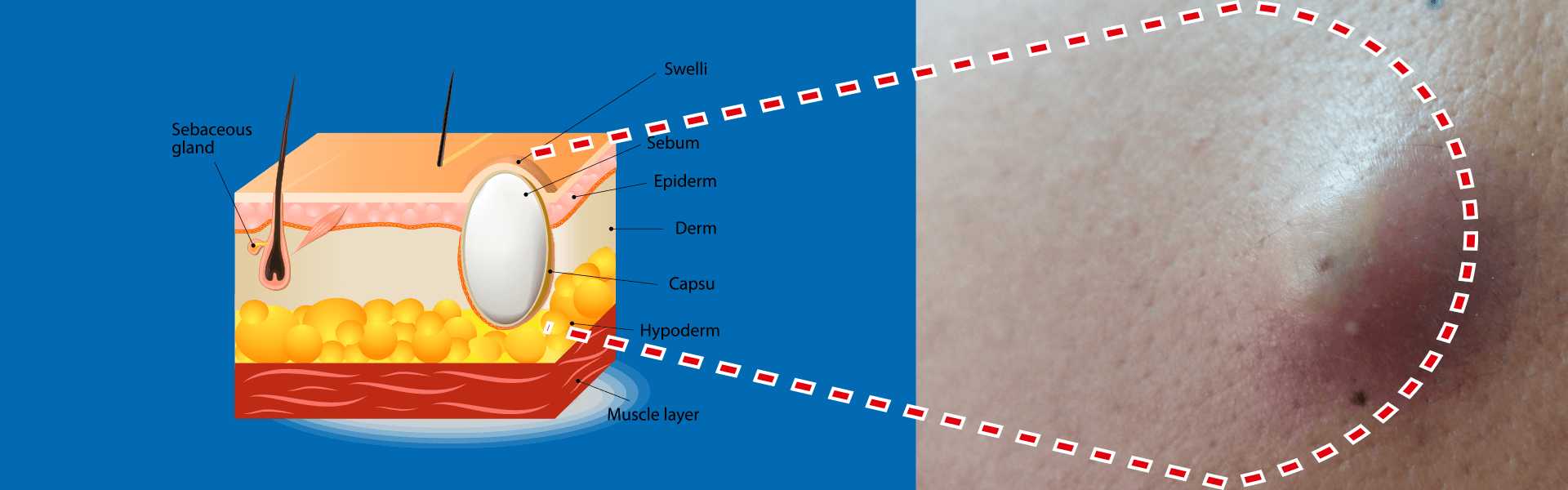
11. Sebaceous Cyst Excision
Overview
Sebaceous cyst excision is the surgical removal of a sebaceous cyst, a benign growth of the skin that is
filled with sebum, which can become infected or cause discomfort.
Conditions
- Blocked sebaceous glands
- Infected or inflamed cysts
- Pain or irritation from cyst growth
Benefits of Treatment
- Removes cysts that may be causing pain, infection, or discomfort.
- Prevents recurrence of cysts in the area.
- Restores smooth, healthy skin after healing.
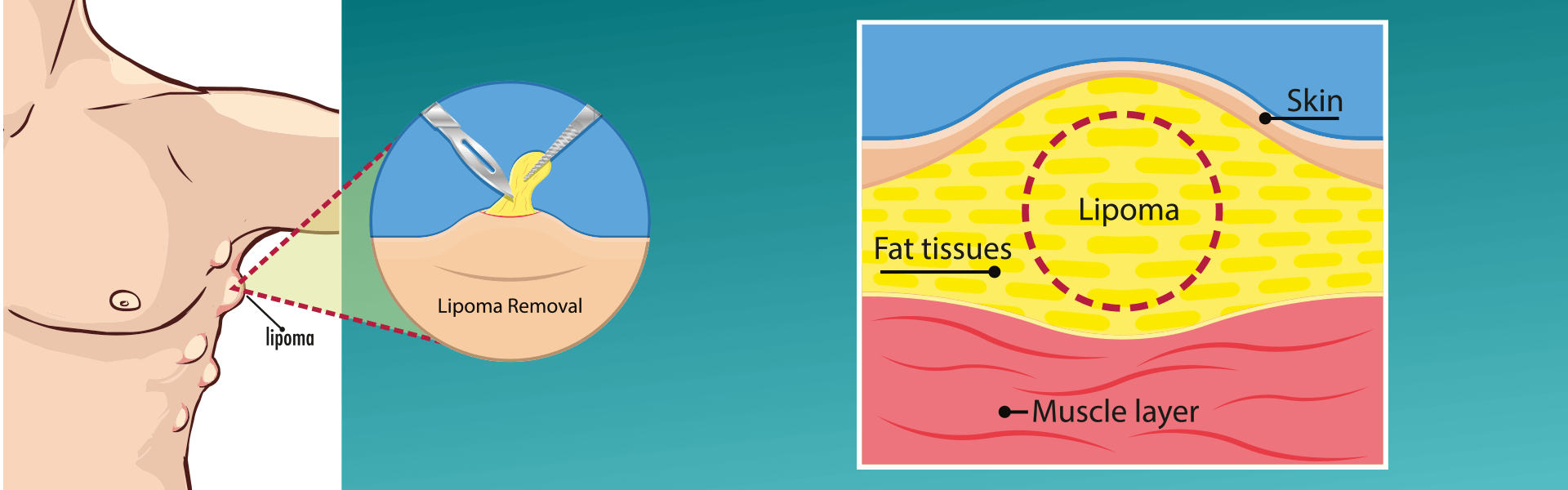
12. Lipoma Excision
Overview
Lipoma excision involves the removal of a lipoma, a benign tumor made of fatty tissue, that can occur
anywhere on the body and may cause discomfort or cosmetic concerns.
Conditions
- Benign fatty growths under the skin
- Cosmetic concerns due to visible lipomas
- Compression of nearby nerves or tissues
Benefits of Treatment
- Eliminates the lipoma and prevents it from growing further.
- Relieves discomfort if the lipoma is pressing on nerves or muscles.
- Improves cosmetic appearance and boosts self-esteem.
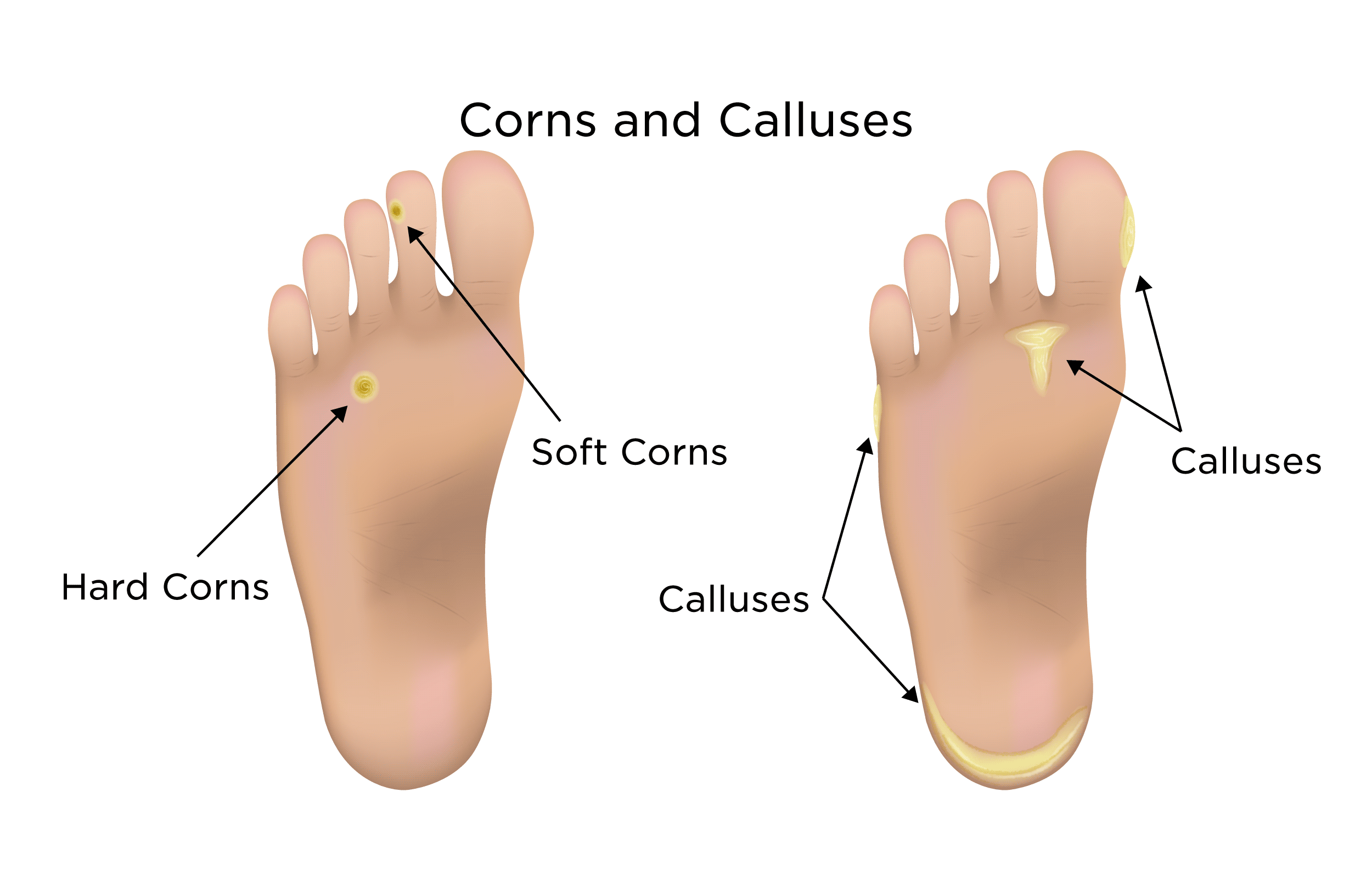
13. Corn Excision
Overview
Corn excision involves the removal of painful, thickened skin growths (corns) that typically form on the
feet due to excessive pressure or friction.
Conditions
- Painful corns on the feet
- Recurrent corns that do not respond to non-surgical treatments
- Calluses that cause discomfort during walking or standing
Benefits of Treatment
- Relieves pain and pressure caused by corns on the feet.
- Restores normal walking ability without discomfort.
- Improves foot appearance and hygiene.
14. Ganglion Aspiration
Overview
Ganglion aspiration involves draining the fluid-filled cyst (ganglion) that forms on the wrist or hand,
often resulting from joint or tendon irritation.
Conditions
- Ganglion cysts on joints or tendons
- Pain, discomfort, or restricted movement caused by ganglions
Benefits of Treatment
- Reduces swelling and pressure caused by the ganglion cyst.
- Relieves pain and restores joint function.
- Prevents further development or recurrence of ganglion cysts.
15. Granuloma Excision
Overview
Granuloma excision involves the removal of a granuloma, an inflamed tissue that forms in response to
infection, injury, or foreign material.
Conditions
- Granulomas caused by infections (e.g., tuberculosis, fungal infections)
- Foreign body granulomas
- Inflammatory granulomas from chronic inflammation
Benefits of Treatment
- Reduces infection or chronic inflammation caused by granulomas.
- Prevents complications associated with untreated granulomas.
- Improves aesthetic appearance of the affected area.
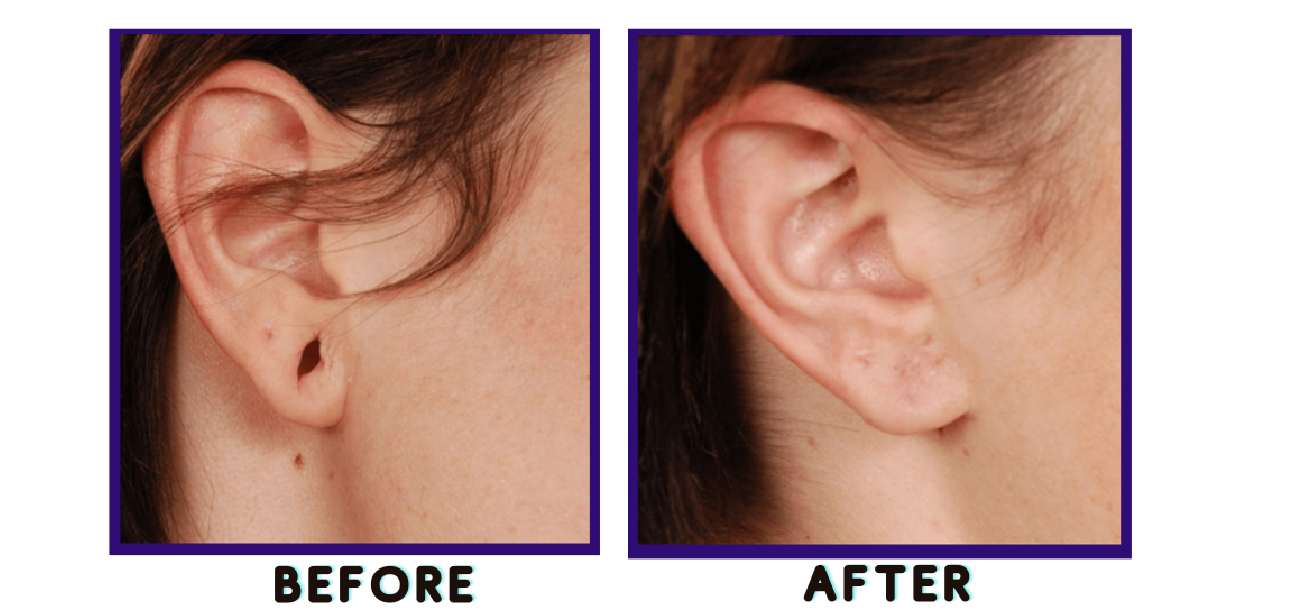
16. Auroplasty
Overview
Auroplasty is a surgical procedure designed to correct defects in the ear, including reconstructing or
reshaping parts of the external ear or ear canal.
Conditions
- Congenital ear deformities
- Traumatic ear injuries
- Cosmetic correction of ear shape or size
Benefits of Treatment
- Restores the appearance of the external ear.
- Improves hearing if the ear canal is affected.
- Enhances self-esteem and confidence in individuals with ear deformities.
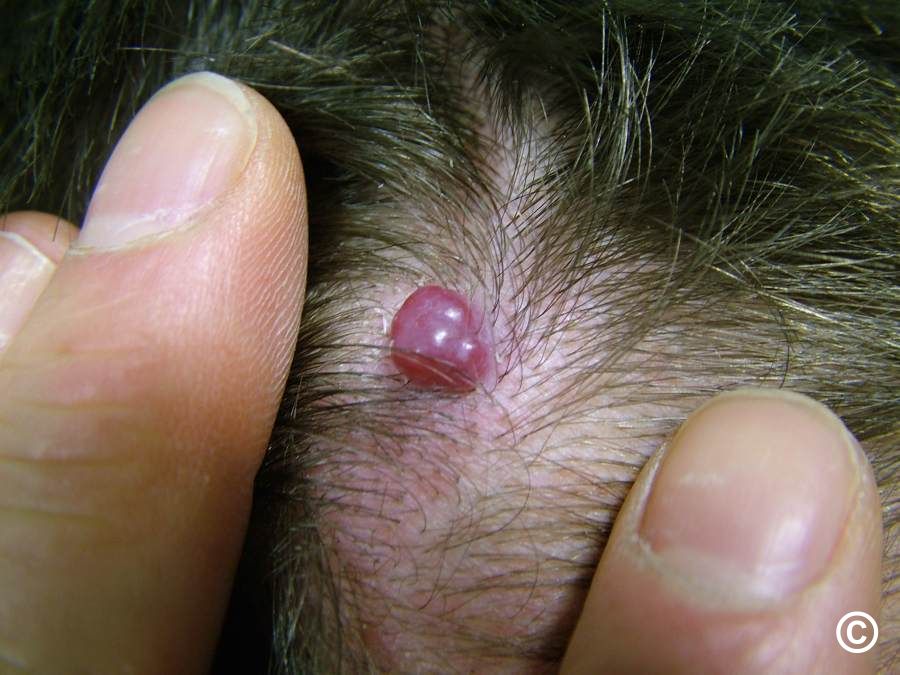
17. Dermoid Excision
Overview
Dermoid excision involves the removal of dermoid cysts, which are benign growths that contain skin, hair,
and other tissues, often found on the face, scalp, or ovaries.
Conditions
- Dermoid cysts on the skin or ovaries
- Cosmetic concerns or discomfort caused by dermoid cysts
Benefits of Treatment
- Eliminates cysts that may cause pain or grow large.
- Prevents cyst rupture or infection.
- Improves cosmetic appearance and quality of life.
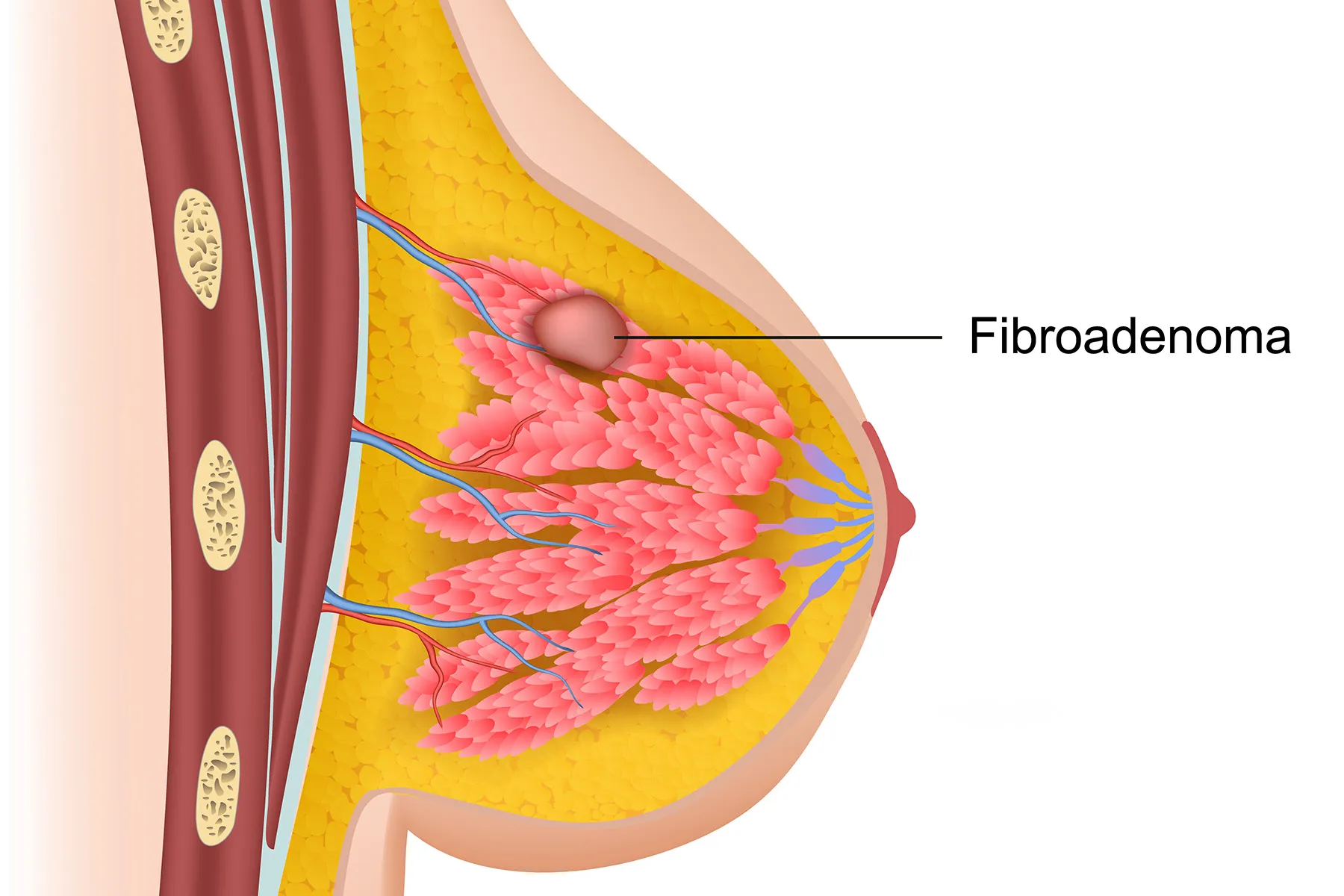
18. Fibroadenoma Excision
Overview
Fibroadenoma excision involves removing a benign breast tumor (fibroadenoma) that may cause discomfort or
anxiety due to its size or appearance.
Conditions
- Benign breast tumors (fibroadenomas)
- Discomfort or concern due to the presence of fibroadenomas
Benefits of Treatment
- Relieves discomfort or pain caused by fibroadenomas.
- Improves cosmetic appearance of the breast.
- Reduces anxiety regarding potential malignancy.
19. Lateral Sphincterotomy
Overview
Lateral sphincterotomy is a surgical procedure used to treat chronic anal fissures by cutting part of the
anal sphincter muscle to reduce pressure and promote healing.
Conditions
- Chronic anal fissures
- Severe anal pain or bleeding due to fissures
Benefits of Treatment
- Relieves pain associated with anal fissures.
- Promotes healing of fissures by reducing muscle spasm and pressure.
- Prevents recurrence of anal fissures in many cases.
20. Sentinel Tag Excision
Overview
Sentinel tag excision involves the removal of skin tags near the anus (sentinel tags), which can occur
due to anal fissures or hemorrhoids.
Conditions
- Skin tags near the anus
- Sentinel tags associated with hemorrhoids or fissures
Benefits of Treatment
- Improves hygiene and comfort by removing excessive skin tags.
- Relieves discomfort caused by skin tags.
- Prevents recurrence of tags in some cases.
21. Fistulotomy / Fistulectomy
Overview
Fistulotomy or Fistulectomy involves surgically opening and removing a fistula (an abnormal connection
between organs), commonly performed to treat anal fistulas.
Conditions
- Anal fistulas
- Infected or abscessed fistulas
Benefits of Treatment
- Eliminates painful and recurrent infections associated with fistulas.
- Promotes healing and reduces recurrence of fistulas.
- Restores normal function and comfort to the affected area.
22. Eversion of Hydrocele Sac
Overview
Eversion of hydrocele sac is a procedure performed to remove or drain a hydrocele, which is a
fluid-filled sac around the testicle, often causing swelling or discomfort.
Conditions
- Hydrocele (fluid-filled sac around the testicle)
- Testicular swelling or discomfort due to hydrocele
Benefits of Treatment
- Relieves discomfort and swelling caused by hydrocele.
- Restores normal testicular function and appearance.
- Prevents recurrence of hydrocele in some cases.
23. Hemorrhoidectomy
Overview
Hemorrhoidectomy is the surgical removal of hemorrhoids, which are swollen veins in the rectal area,
often causing pain, bleeding, or discomfort.
Conditions
- Severe hemorrhoids causing pain or bleeding
- Thrombosed hemorrhoids (clotted hemorrhoids)
Benefits of Treatment
- Relieves pain, bleeding, and discomfort caused by hemorrhoids.
- Prevents recurrence of hemorrhoidal symptoms.
- Improves quality of life by eliminating chronic rectal symptoms.
24. Excision of Pilonidal Sinus
Overview
Excision of pilonidal sinus involves the surgical removal of a pilonidal sinus, a skin condition in which
a cyst or abscess forms near the tailbone, often caused by ingrown hair.
Conditions
- Pilonidal cyst or abscess
- Chronic infection or discomfort from pilonidal sinus
Benefits of Treatment
- Eliminates recurrent infections or abscesses.
- Relieves pain and discomfort around the tailbone.
- Improves hygiene and prevents further complications.