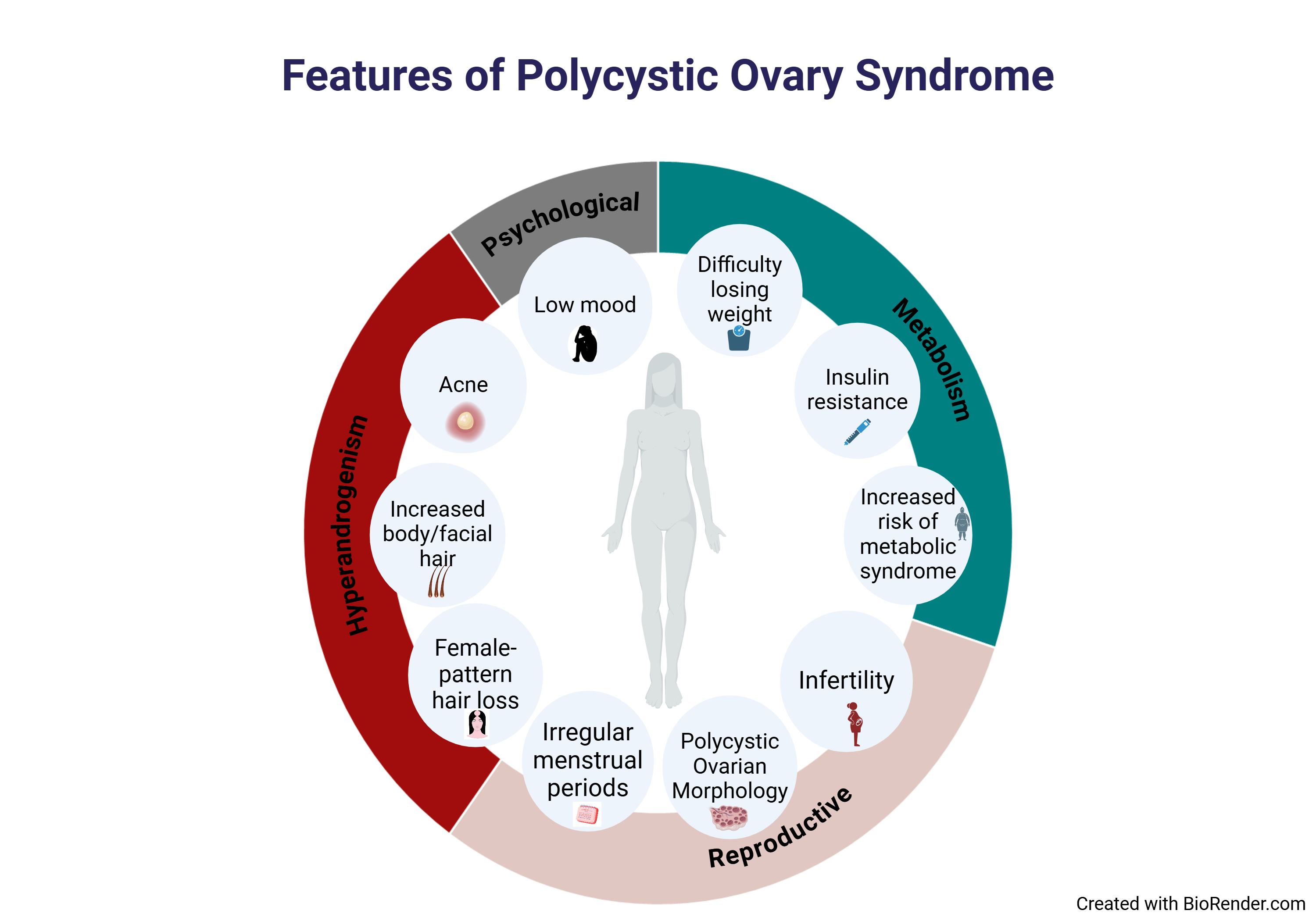
Polycystic Ovary Syndrome (PCOS) is a common hormonal disorder that affects women of reproductive age. It leads to the formation of small cysts on the ovaries and results in irregular menstrual cycles, ovulatory dysfunction, and increased levels of male hormones (androgens). It is associated with symptoms like weight gain, acne, and hair growth issues.
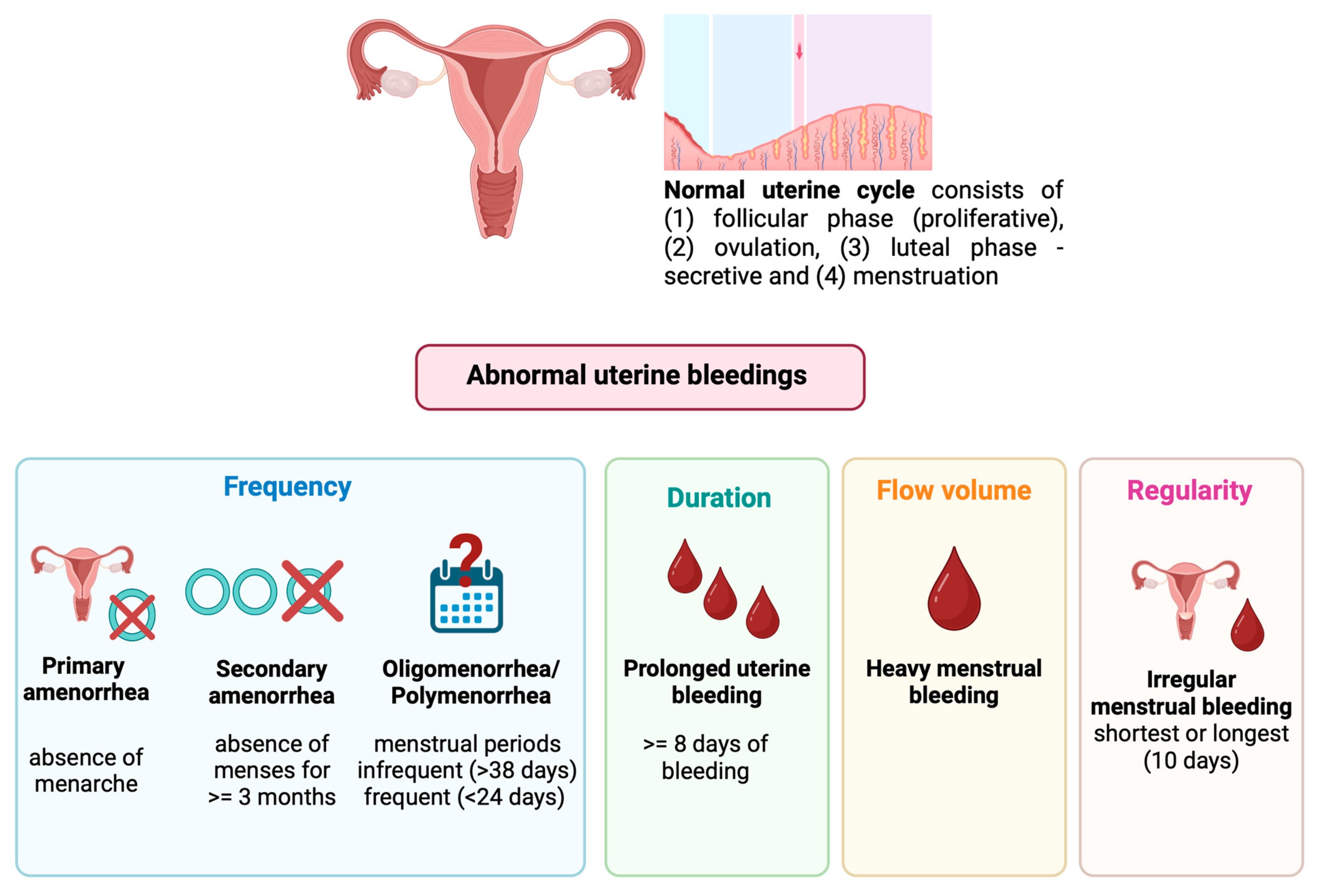
Menstrual disorders encompass a wide range of conditions that affect the normal menstrual cycle. These include heavy periods (menorrhagia), painful periods (dysmenorrhea), or the absence of periods (amenorrhea). These conditions can affect overall health, fertility, and quality of life.
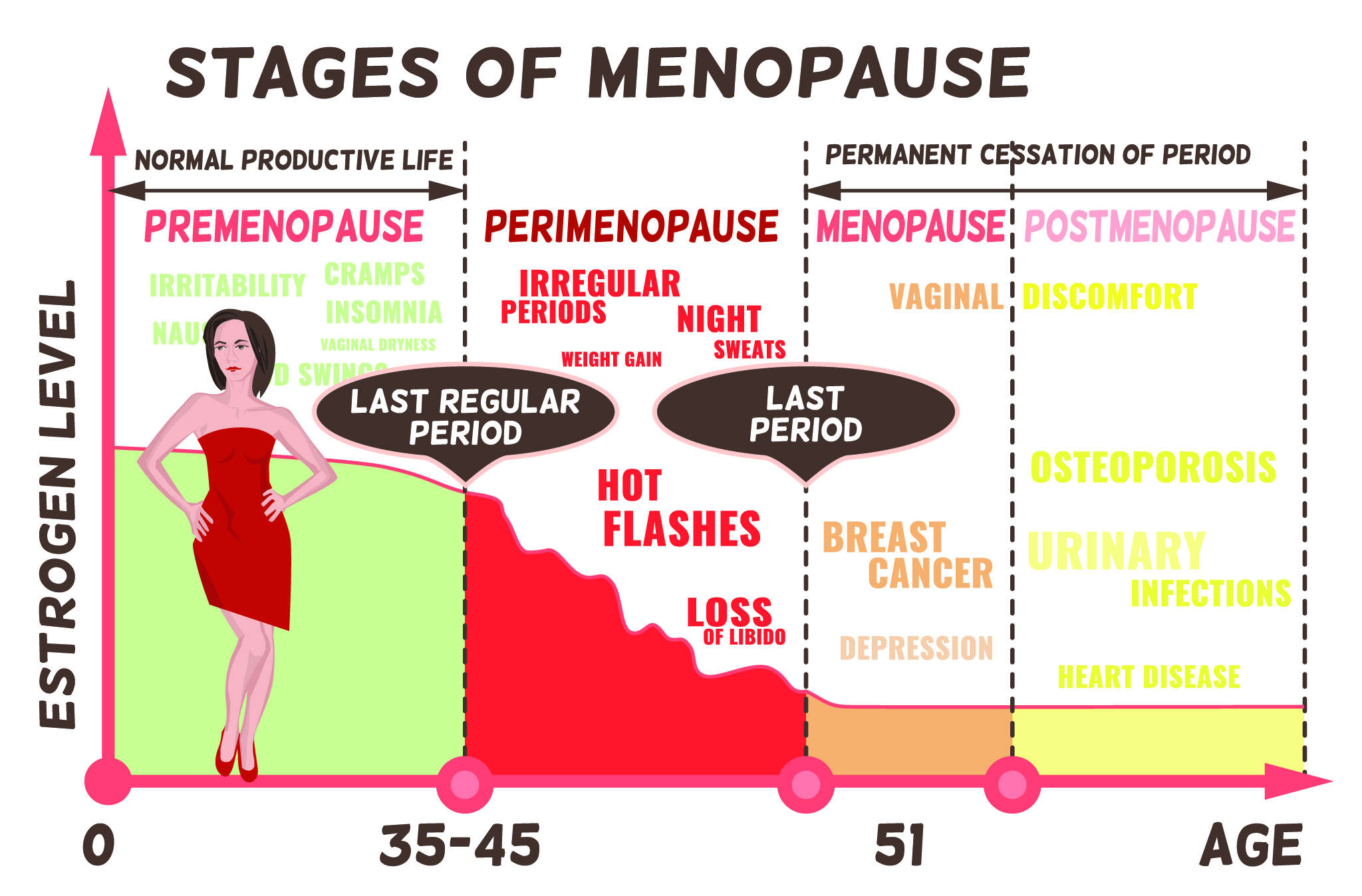
Menopause marks the end of a woman's reproductive years, usually occurring between the ages of 45 and 55. It is characterized by the cessation of menstrual cycles and a decrease in hormone production (estrogen and progesterone), leading to a variety of symptoms such as hot flashes, mood swings, and vaginal dryness.
Vaginal discharge is a normal bodily function that helps maintain a healthy vaginal environment. However, an abnormal increase in discharge, particularly with a change in color, texture, or smell, can indicate infections like yeast infections, bacterial vaginosis, or sexually transmitted diseases (STDs).
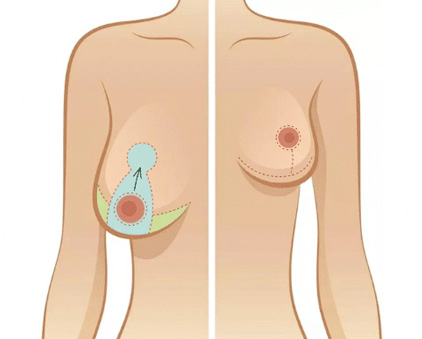
Fibroadenoma and fibroadenosis are benign (non-cancerous) breast conditions. Fibroadenomas are solid, smooth lumps in the breast tissue, often found in younger women. Fibroadenosis (also called fibrocystic changes) refers to a condition with lumps and tenderness in the breasts, usually linked to hormonal changes in the menstrual cycle.

Interventional radiology has become an integral part of patient care Treatments offered at many secondary...
Read more
Interventional oncology, practiced by interventional radiologists, is one of four parts of a multidisciplinary team approach
Read more
Children and adults with vascular malformations are best managed with a multidisciplinary team of specialists...
Read more
Interventional radiology has become an integral part of patient care Treatments offered at many secondary and tertiary..
Read more
People with failed or damaged kidneys may have difficulty eliminating waste and unwanted water from the blood.
Read more
A medical specialty concerned with the care and treatment of acutely ill or injured patients who need immediate medical attention.
Read moreCopyright © 2025. All Rights Reserved by Dr. Sanika M. Sawant | Website created by Mr. Ajinkya M. Sawant (IT Officer Govt. of India PSB)